Many brands today feel they have already done “everything.” Digital ads are running, social media is active, content is consistent, collaborations are in place, and strategies have been revised multiple times. Yet in the eyes of the audience, the brand still feels ordinary.
The problem often lies not in visibility, but in perception. A brand may be known, but not necessarily respected. Being recognized does not automatically mean being perceived as big. This is the core challenge for modern brands today, not merely awareness, but authority and presence.
In a city like Jakarta, overflowing with visual messages on phone screens, in-app banners, and endless notifications, many brands get stuck in a phase of being “loud but flat.” They appear everywhere, yet fail to leave the impression of being a major or well-established player.
In reality, the public does not judge brands solely by what they say, but by how, and where, they show up. This is where roadside premium advertising comes in, not just as a promotional medium, but as a grand stage that shapes how a brand’s class and stature are perceived.
In Jakarta, there is one medium that has quietly become a symbol of “leveling up” for brands that want to appear stronger and more credible in public spaces: roadside premium advertising.
A brand that looks big is not simply one with expensive products or a large follower count. There are several psychological elements that subconsciously shape public perception of a brand’s scale and strength.
The first is the visual scale. The larger a brand appears visually, the stronger it is perceived. The second is dominance in public space. Brands that consistently occupy spaces people pass through every day tend to be associated with seriousness and stability. The third is status signaling, where presence in certain media implicitly reflects a brand’s capability and long-term commitment.
In marketing, this is known as public presence psychology. When a brand appears in a large format and in prestigious locations, audiences instinctively perceive it as stronger, more stable, and more trustworthy.
This is where roadside premium advertising plays a highly strategic role. It does more than deliver messages, it builds brand power through visual and emotional impact.
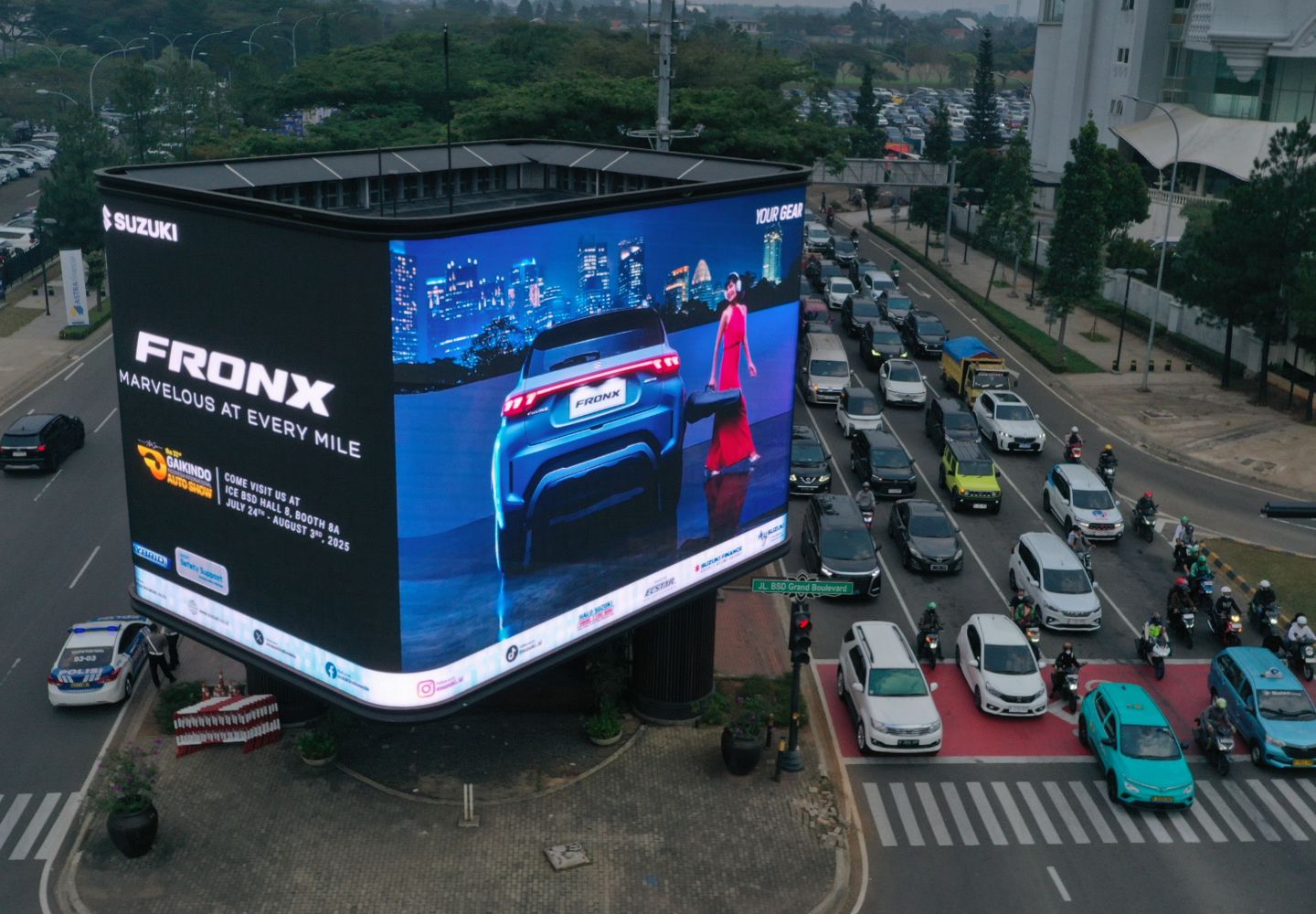
Source: City Vision
Roadside premium advertising allows brands to appear at a scale unmatched by any other medium. Not only physically large, but also large in the audience’s imagination.
When people see a massive billboard along a main city corridor, what stays with them is not just the advertising message. What lingers is the impression that this brand is serious, powerful, and operating at a higher level.
An important perspective to understand is that roadside premium is not simply oversized outdoor media. It is a visual statement, a declaration of dominance in public space.
The psychological implications are strong:
The brand is no longer just promoting.
The brand is present as a major player in the city.
The brand appears confident and bold in claiming space.
Not every brand can access roadside premium advertising. Limited inventory, highly selective locations, and significant investment make this medium synonymous with brands that are truly committed.
The public senses this signal. Presence in roadside premium locations is often perceived as a status symbol. This is where City Vision plays a crucial role by offering roadside premium points that are not merely crowded, but genuinely prestigious and high-impact.
In branding, “flexing” is not about empty showmanship, but about demonstrating capability. Large-scale visuals in public spaces signal that a brand is playing in a higher league.
Brands that dare to appear big are often associated with being growth-oriented, visionary, and business-stable.
Roadside premium advertising positions brands as market leaders in the minds of consumers. City Vision reinforces this through premium locations such as Sudirman, Rasuna Said, and Jakarta’s main business corridors, areas frequented by professionals, decision-makers, and economic drivers.
Appearing big once may grab attention. But brands that truly look established are those that show up consistently. When a brand appears day after day along the city’s main routes, the public begins to associate it with stability and strength. This is the concept of daily high-frequency exposure.
Tens of thousands of people see the same brand every single day. This visual repetition gradually builds the perception that the brand is always present, always strong, and always relevant. In major cities, consistency of exposure is often interpreted as consistency of prestige.
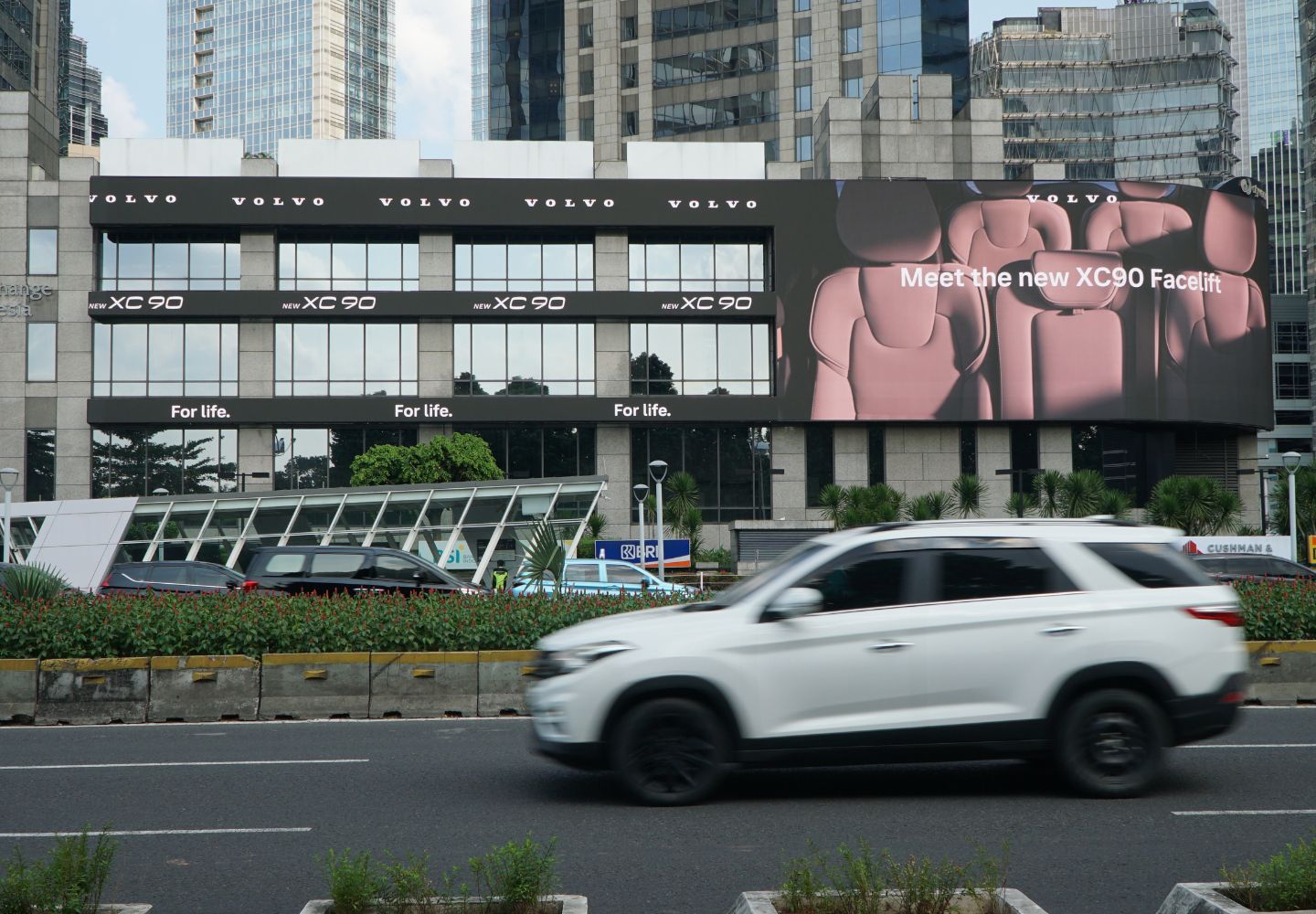
Source: City Vision
City Vision prioritizes not only high traffic, but also the prestige value of each location. Placements focus on routes used by decision-makers, upper-tier commuters, and key business hubs.
Visual clarity, optimal viewing angles, and professional layouts ensure brand messages appear clean and powerful. This production quality reinforces the perception that a brand is premium, established, and refined.
Unlike digital ads that can be skipped instantly, roadside premium advertising is unskippable. It appears boldly and builds an undeniable brand presence.
Strong physical presence in public spaces often triggers follow-up behavior in the digital world. Audiences who see a brand prominently displayed on the street are more likely to trust it—and more inclined to search for it online.
This is the power of an offline-to-online strategy. Roadside premium advertising creates aspirational impact, while digital channels capture engagement and conversion. Together, they form a powerful combination for brands aiming to truly level up, not just create short-term noise.
Here are several objective principles to consider:
Choose locations with relevant audiences, not just high traffic.
Pay close attention to viewing angles and visual distance.
Use creativity that reinforces prestige, not just information.
Ensure sufficient display duration to build perceived dominance.
The key insight is this: big brands are not built through one-time appearances, but through carefully planned consistency.
Aspirational impact cannot be built through small formats or ordinary approaches. Roadside premium advertising is the medium that visually manifests a brand’s ambition in real, physical space.
With the right placement and the support of City Vision, your brand will not only be recognized, it will be regarded as a leader. Not merely present, but unmistakably big and powerful.